Observation Notes

A living skywatching record for members who return to the night with curiosity and care.

After each observation evening, we log sky conditions, notable celestial highlights, and practical takeaways so beginners and returning members can plan what to look for, when to observe, and what worked in the field.

Moonbeam field journal

Latest sky notes

See Upcoming Meetups.
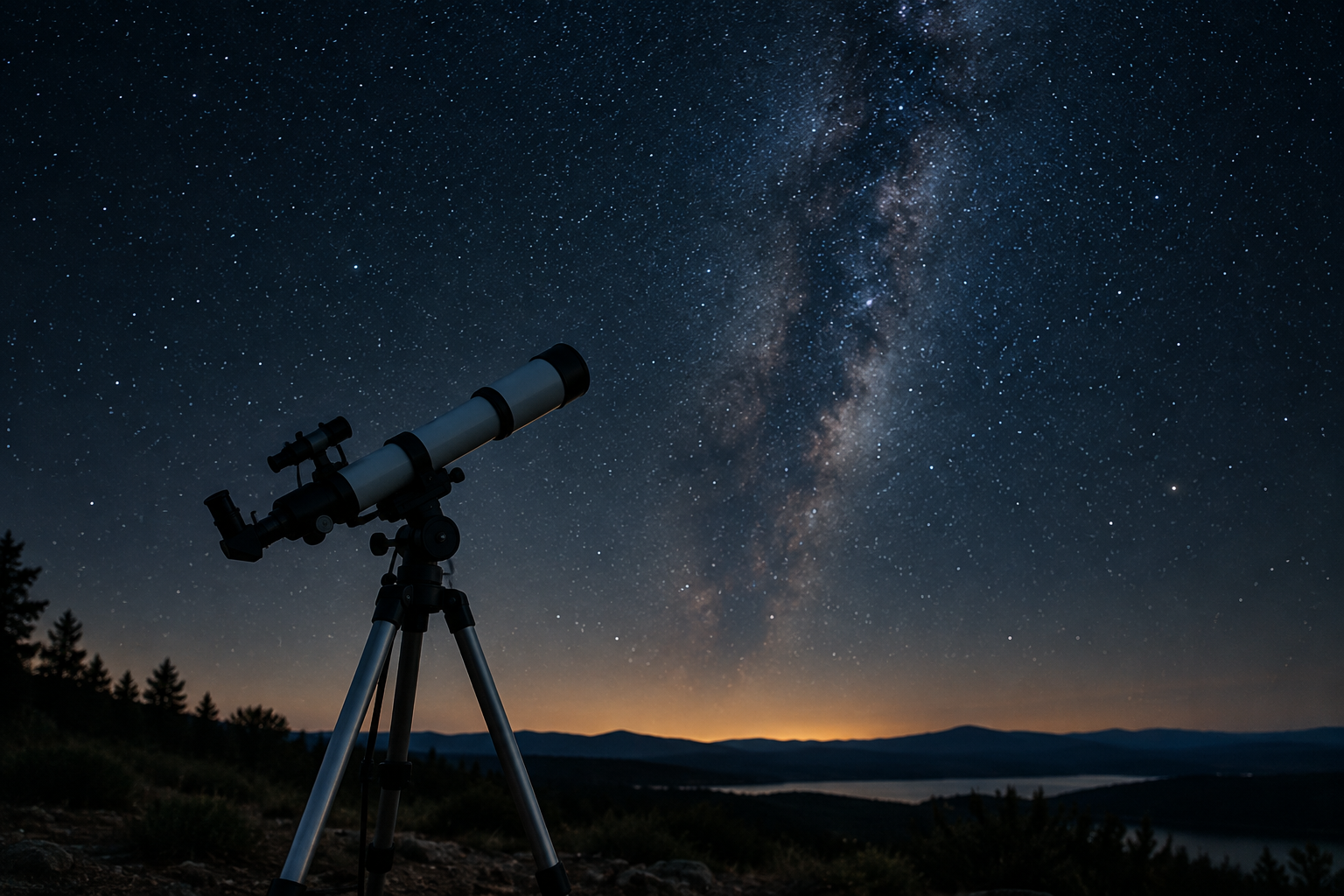
Quiet night-sky observation setup with a telescope pointed toward a star-filled sky

Moonlight edge and crater contrast at first quarter

The first-quarter Moon held a crisp dividing line, with crater rims near the shadow edge appearing especially textured. Members noted how quickly the scene changed over an hour, making it a great session for sketching and beginner telescope practice.

Bright evening planets over the western horizon

Venus stood out immediately after sunset, while Saturn appeared steadier higher up as twilight deepened. Several first-time attendees found planet-spotting easier once nearby reference stars became visible.

Autumn pattern finding in Pegasus and Andromeda

The Great Square of Pegasus was easy to trace and worked well as an anchor for finding Andromeda. The group focused on star-hopping pathways, helping newer observers build confidence with naked-eye constellation navigation.

Variable clarity through passing high cloud bands

Thin cloud drifted in alternating layers, briefly softening fainter stars before clearing again. Even with changing transparency, the session remained useful for practicing patience, timing, and quick target selection.

Observation Tips FAQ

Start with simple habits under the night sky

Quick answers for first-time skywatchers so it feels easy to go from reading to observing.

What should I bring to a skywatching evening?

Bring warm layers, a red-light flashlight, and if you have one, binoculars. A small notebook and water are useful, and you can enjoy the session even without a telescope.

When is the best time to observe the night sky?

Aim for clear evenings about 60–90 minutes after sunset, once the sky darkens. Nights near a new moon usually show fainter stars better than bright moonlit nights.

How can I spot constellations more easily?

Start with one bright anchor pattern, like the Big Dipper or Orion, then trace to nearby stars. Give your eyes 15–20 minutes to adapt, and compare what you see with a simple sky map.

How does light pollution affect what I can see?

City lights brighten the sky background, so faint stars and nebulae fade first. Even moving to a darker park edge and shielding nearby lights can noticeably improve visibility.

What’s the easiest way to take observation notes?

Write the date, time, location, sky conditions, and what you observed in a few lines. Short notes plus a quick sketch or brightness estimate are enough to track your progress over time.